Cynthia Bringle
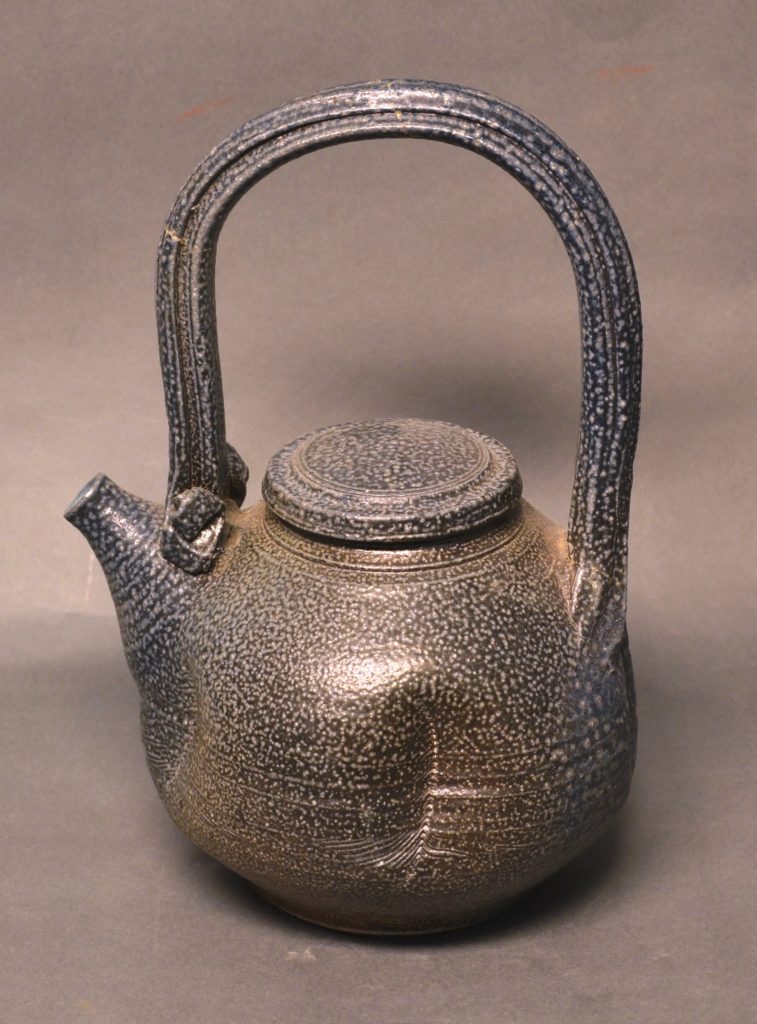
(b. 1939, Memphis, Tennessee) lives and works in Penland, North Carolina
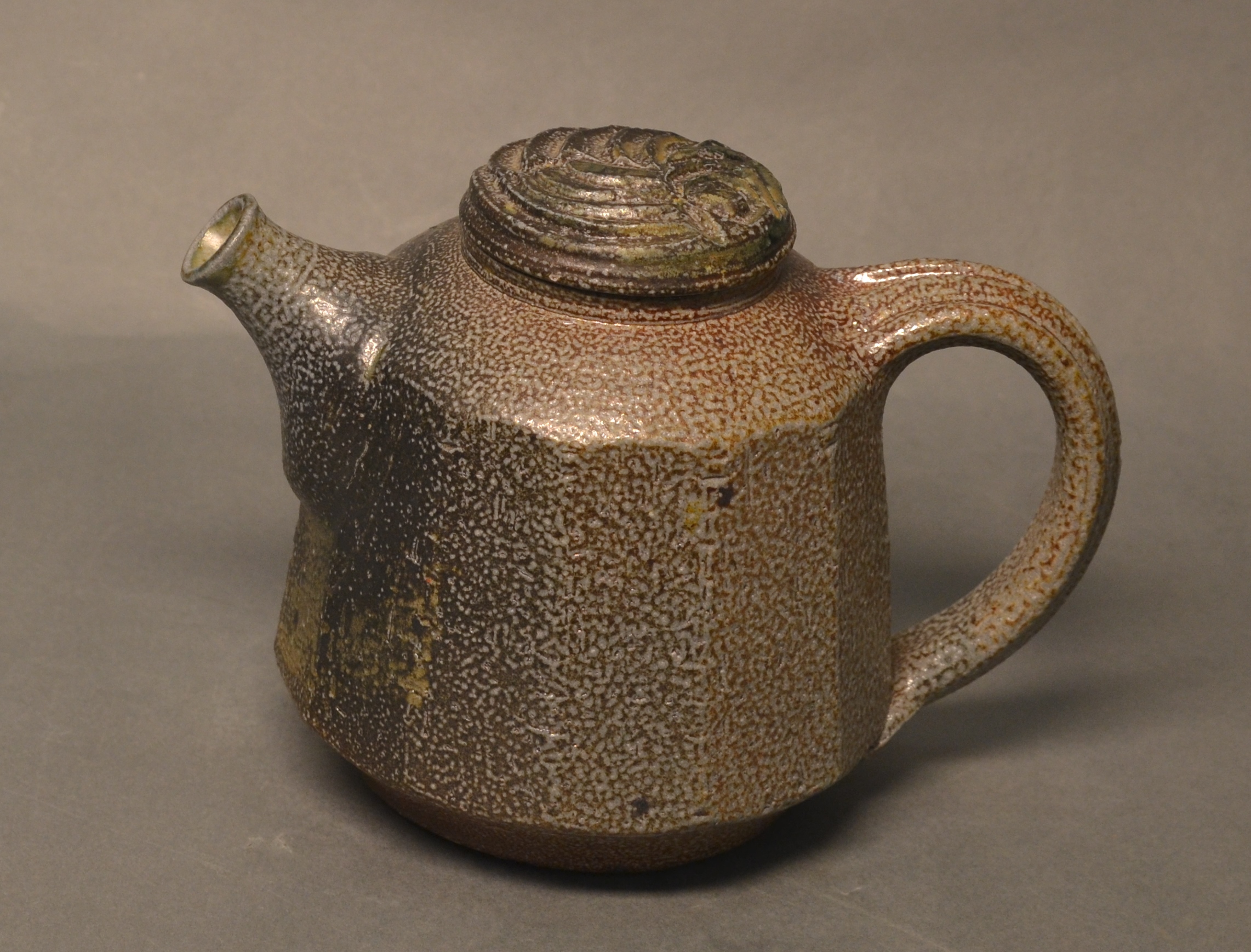
Salt-glazed Teapot, 1973
stoneware, 11.25 x 7 x 5.5 inches, 93.39.253 a and b
Additional images below.
From a young age Cynthia Bringle knew she was interested in art, particularly painting, and so, as an undergraduate she decided to attend the Memphis Academy of Art with a focus on painting. However, after participating in several pottery classes, she changed her major to ceramics. After graduating, she went on to earn her Master’s degree from Alfred University’s College of Ceramics in Alfred, New York. Throughout college, she spent summers as a studio assistant and teacher at the Haystack Mountain School of Crafts in Deer Isle, Maine and at Penland School of Craft in Penland, North Carolina, where she helped to build the school’s first gas kiln. From 1965 to 1970 she managed a ceramic studio in Eads, Tennessee. From 1968-1969 she served as the vice president of the Tennessee Artist Craftsmen’s Association. In 1970 she moved to Penland, North Carolina, where she joined the faculty at the Penland School of Craft and established her own production studio and gallery.
In the spring of 1971, under the auspices of the International Academy of Ceramics, the Tennessee Arts Commission pledged its support for the promotion and establishment of the U.S. International Ceramic Symposiums. The Symposium’s mission to help develop a worldwide network of support for ceramic art was achieved by bringing together top ceramic artists from around the world for a month-long sharing of ideas and creation of innovative ceramics.
Bringle represented the United States at the First U.S. International Ceramic Symposium, which consisted of twenty-five artists from thirteen different countries, and was hosted in the summer of 1973 at the Memphis Academy of Art. While at the Symposium, she created a number of cups, goblets, pitchers, jars, and teapots, which is reflective of Bringle’s view of herself as a functional potter making work for use in everyday life. However, she also made a couple of experimental sculptural works at the Symposium with her Three Rocks series, which combine bulbous stoneware forms with areas of bright glaze. She was also involved in the planning process for the Second U.S. International Ceramic Symposium hosted in Gatlinburg, TN in 1975, and visited the Symposium for a day to visit the artists.
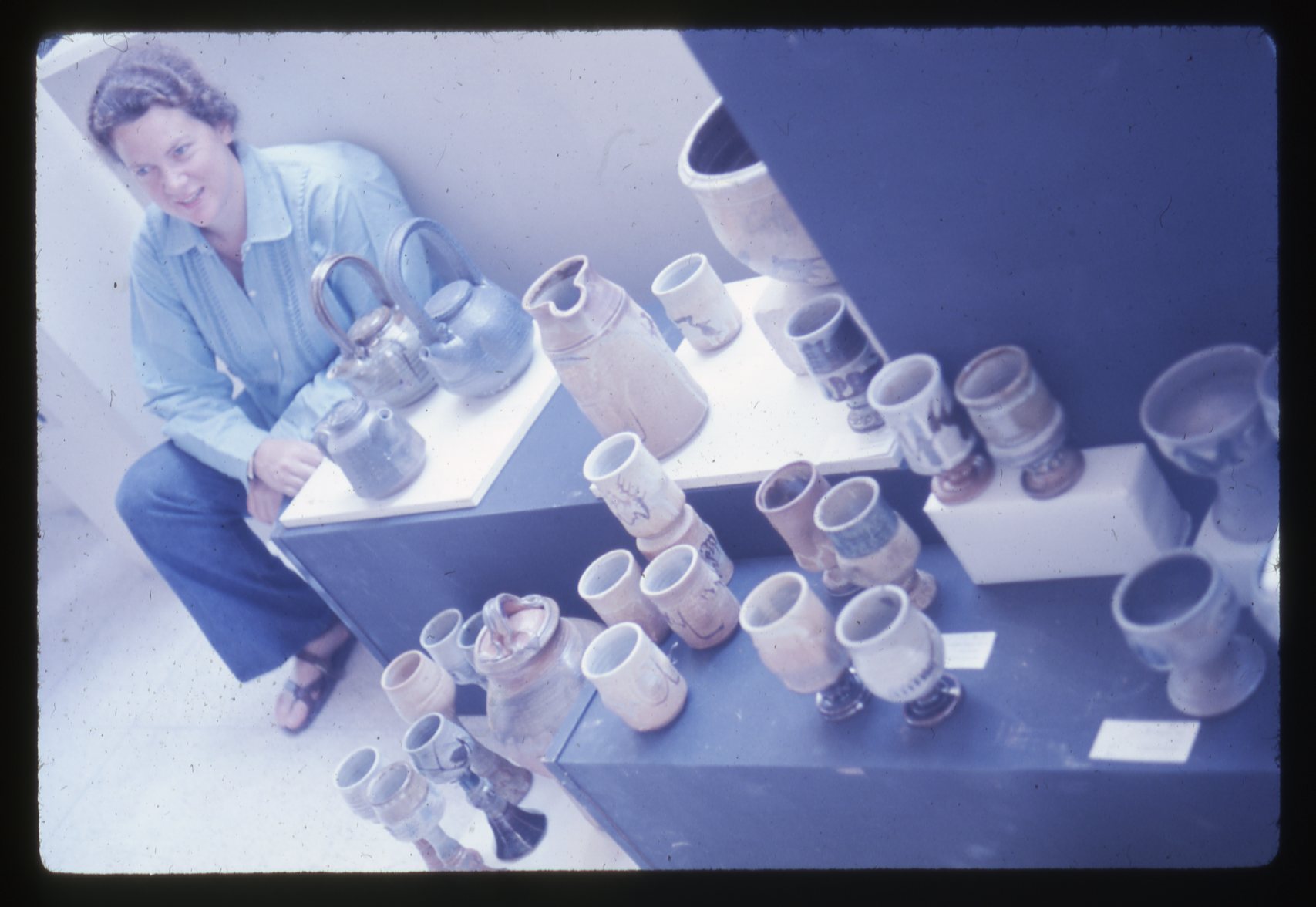
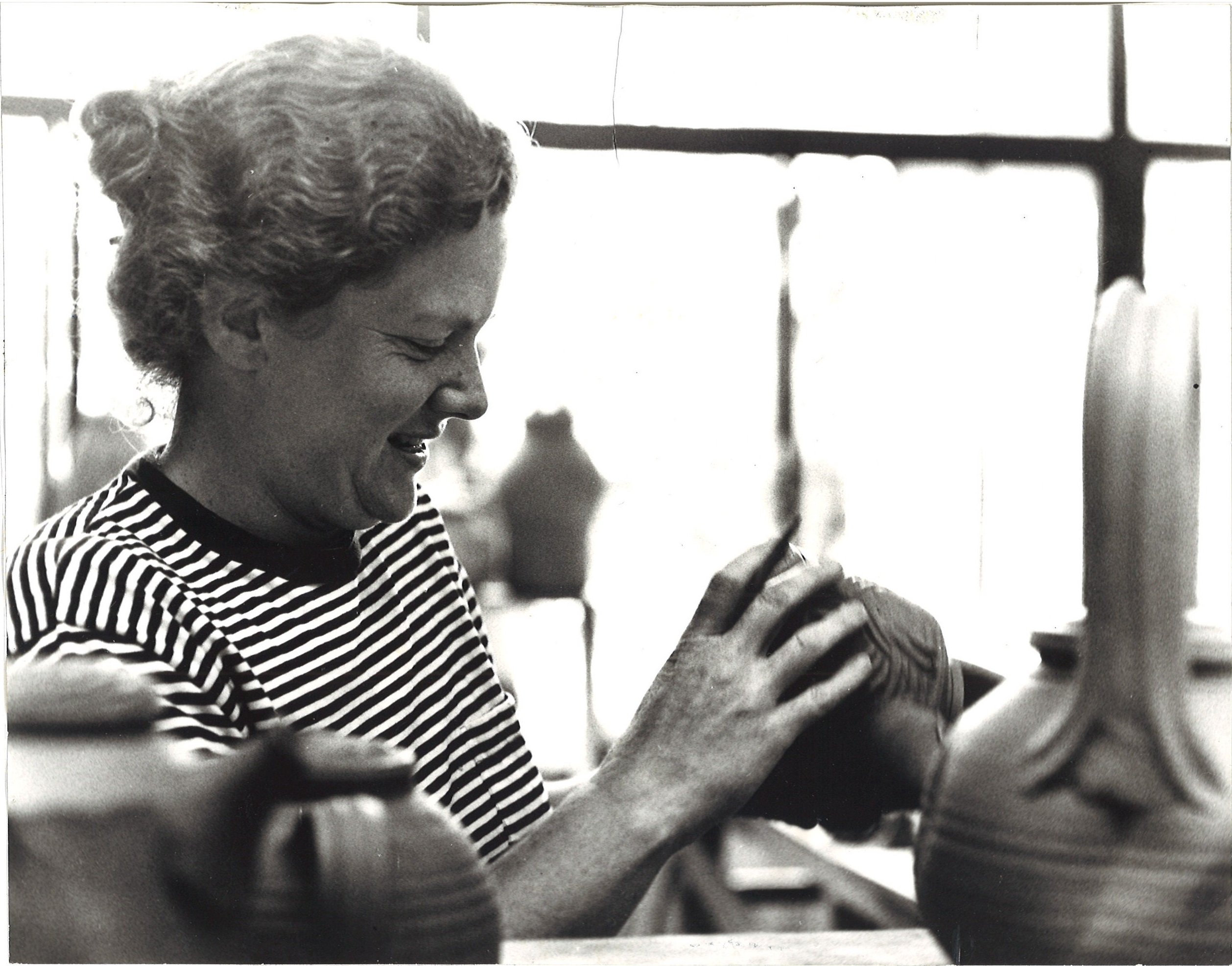
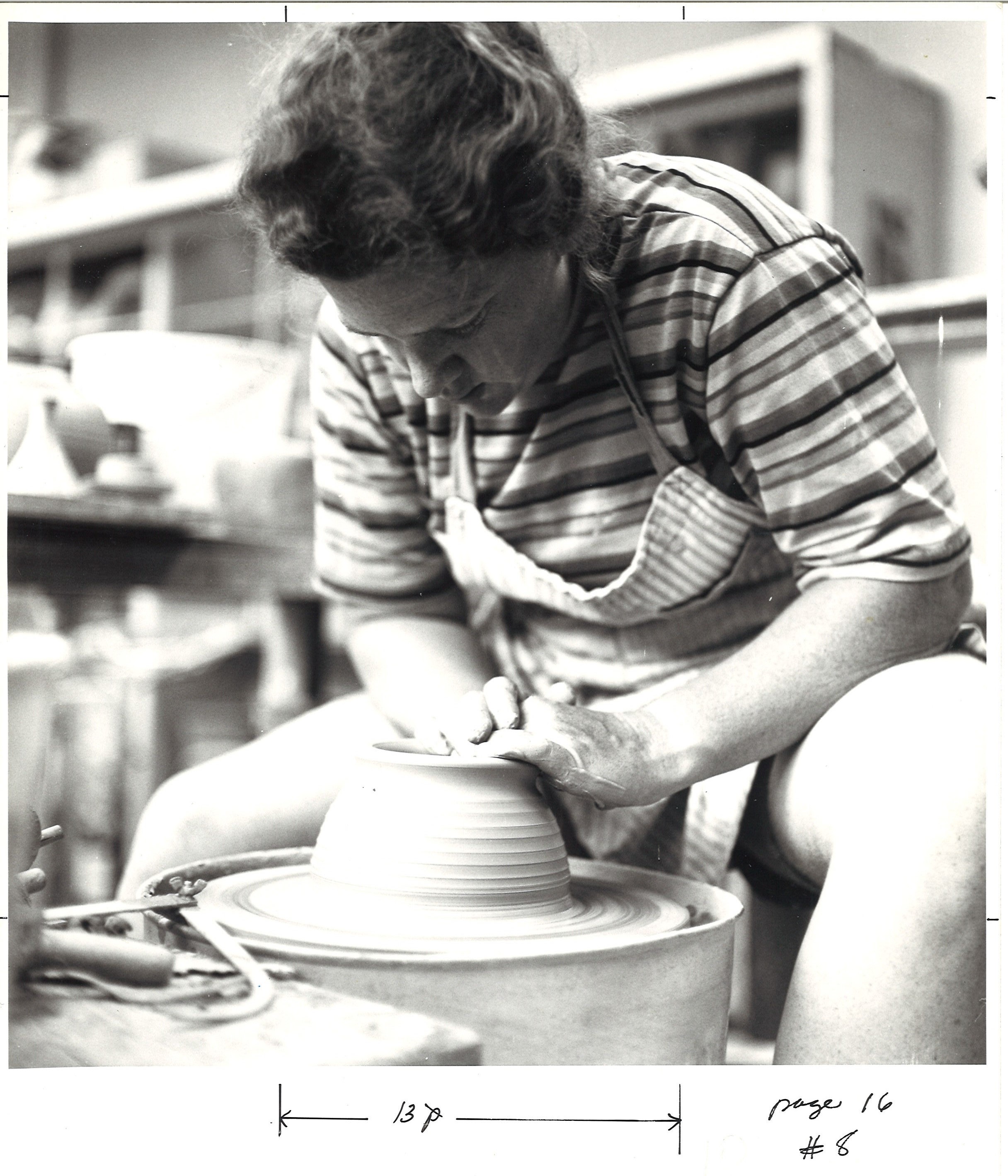
Left: Bringle with her work on display Center: Bringle carves a design into the wall of a thrown teapot, Ceramics Monthly Right: Bringle at the1973 ICS Additional images below.
Following the Symposiums, Bringle continued her career as a teacher at the Penland School of Crafts, helping to guide the school’s development and instruct students in the art of ceramics. Together with her twin sister Edwina, a fiber artist, Cynthia moved to Penland in 1997, where she continues to run the Bringle Pottery Studio and Gallery. Located right across the street from the Penland School Gallery, the Bringle Pottery Studio and Gallery features Bringle’s one-of-a-kind hand-painted functional vessels and raku forms.
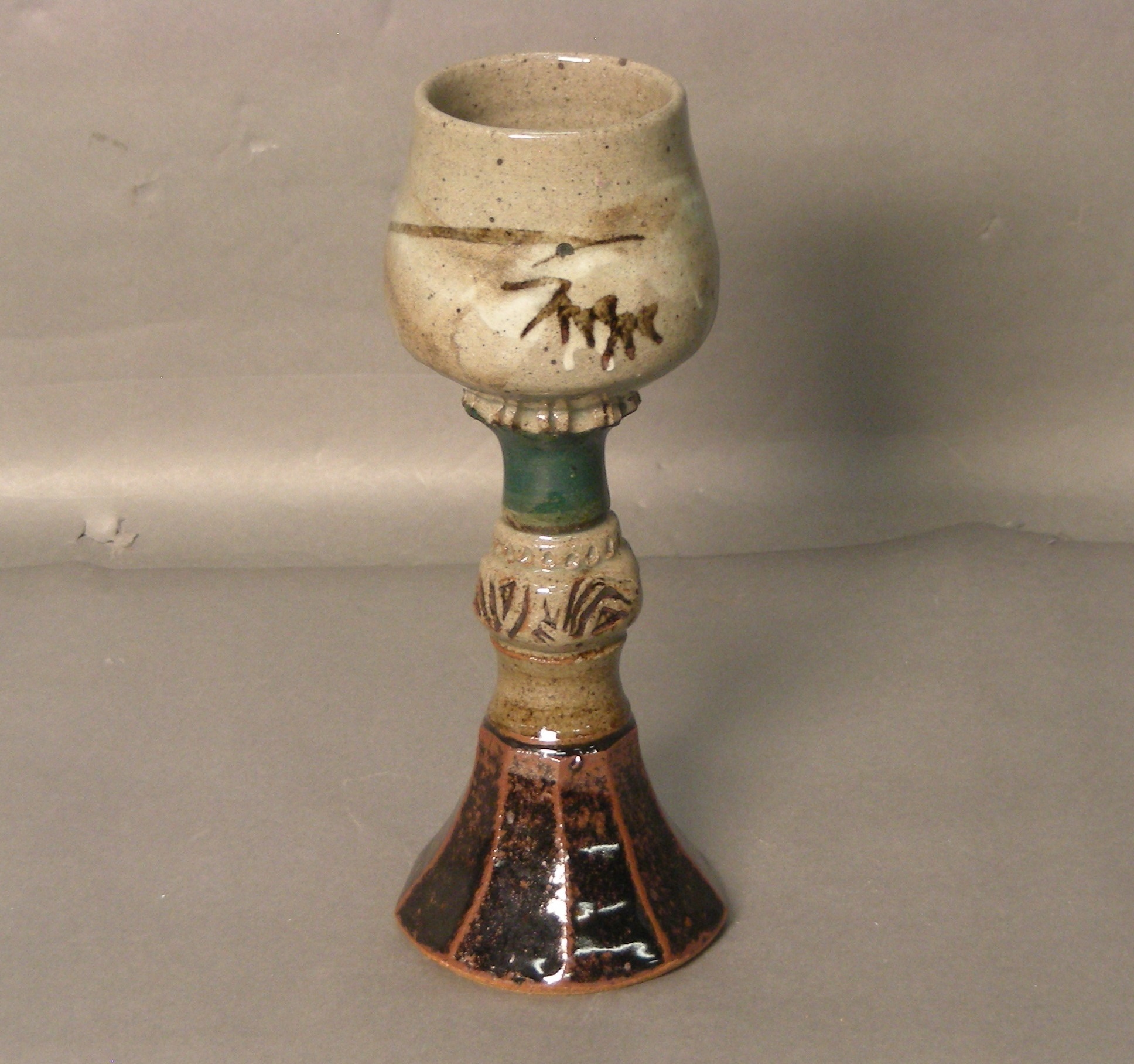
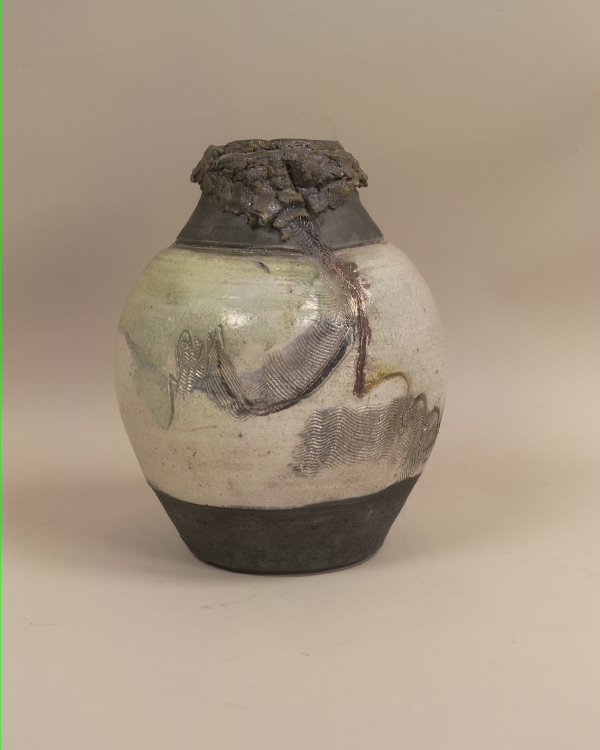
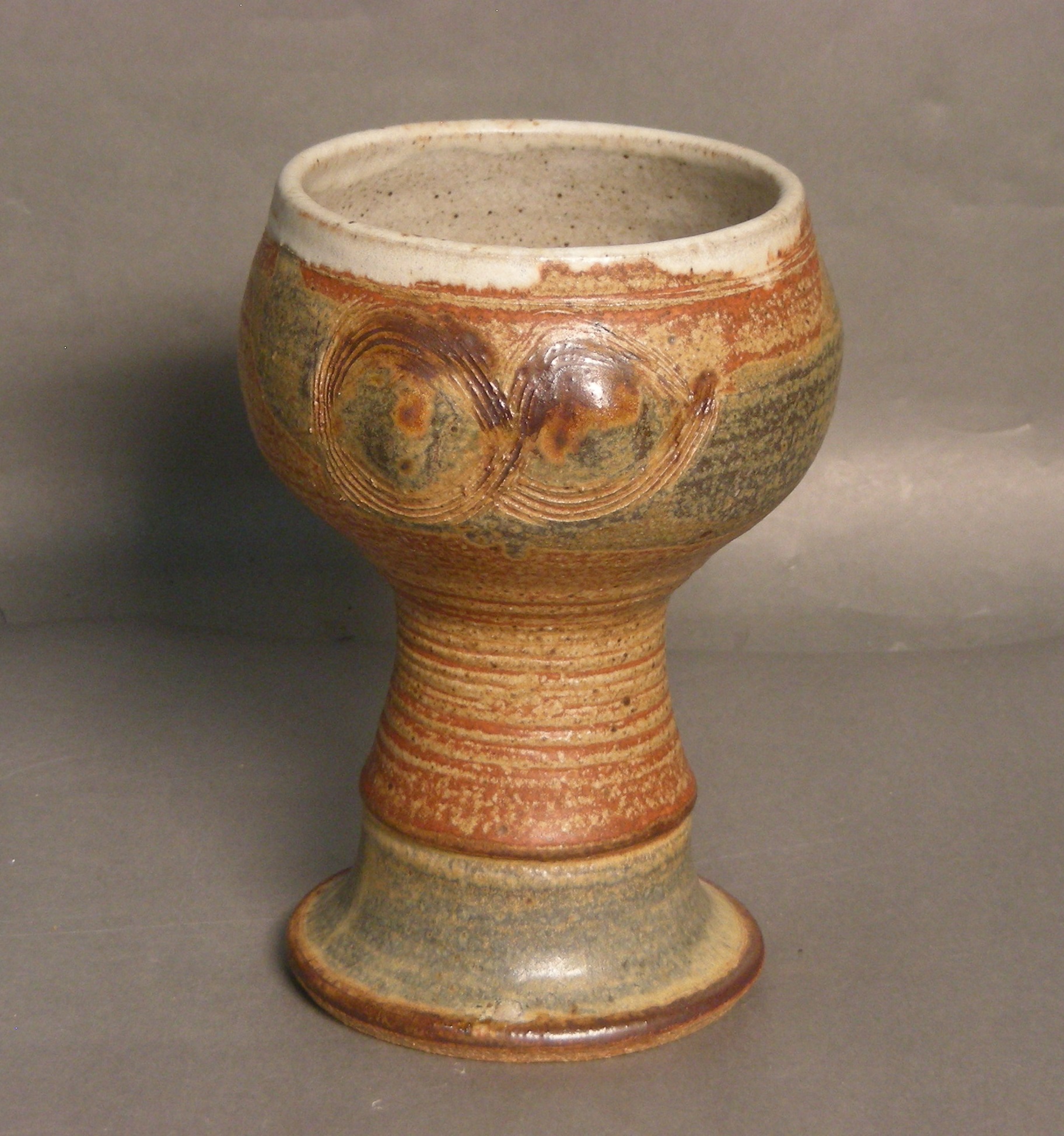
Left: Goblet, 1973, stoneware, 9.25 x 3.5 x 3.5 inches, 93.39.1 Center: Vase, 1973, clay, 12.5 x 10 x 12 inches, 93.39.22 Right: Goblet, 1973, stoneware, 6.75 x 4 x 4 inches, 93.39.52
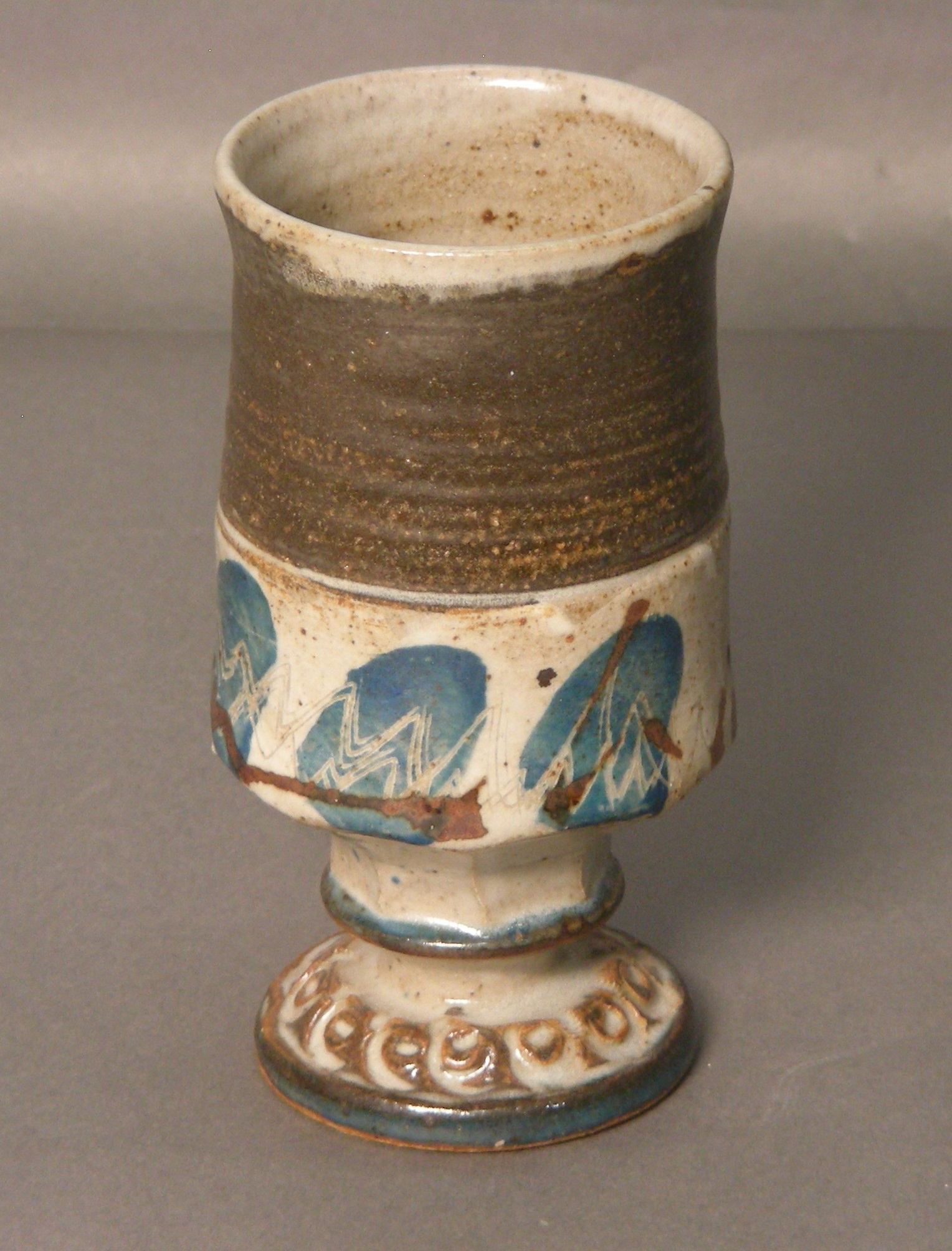
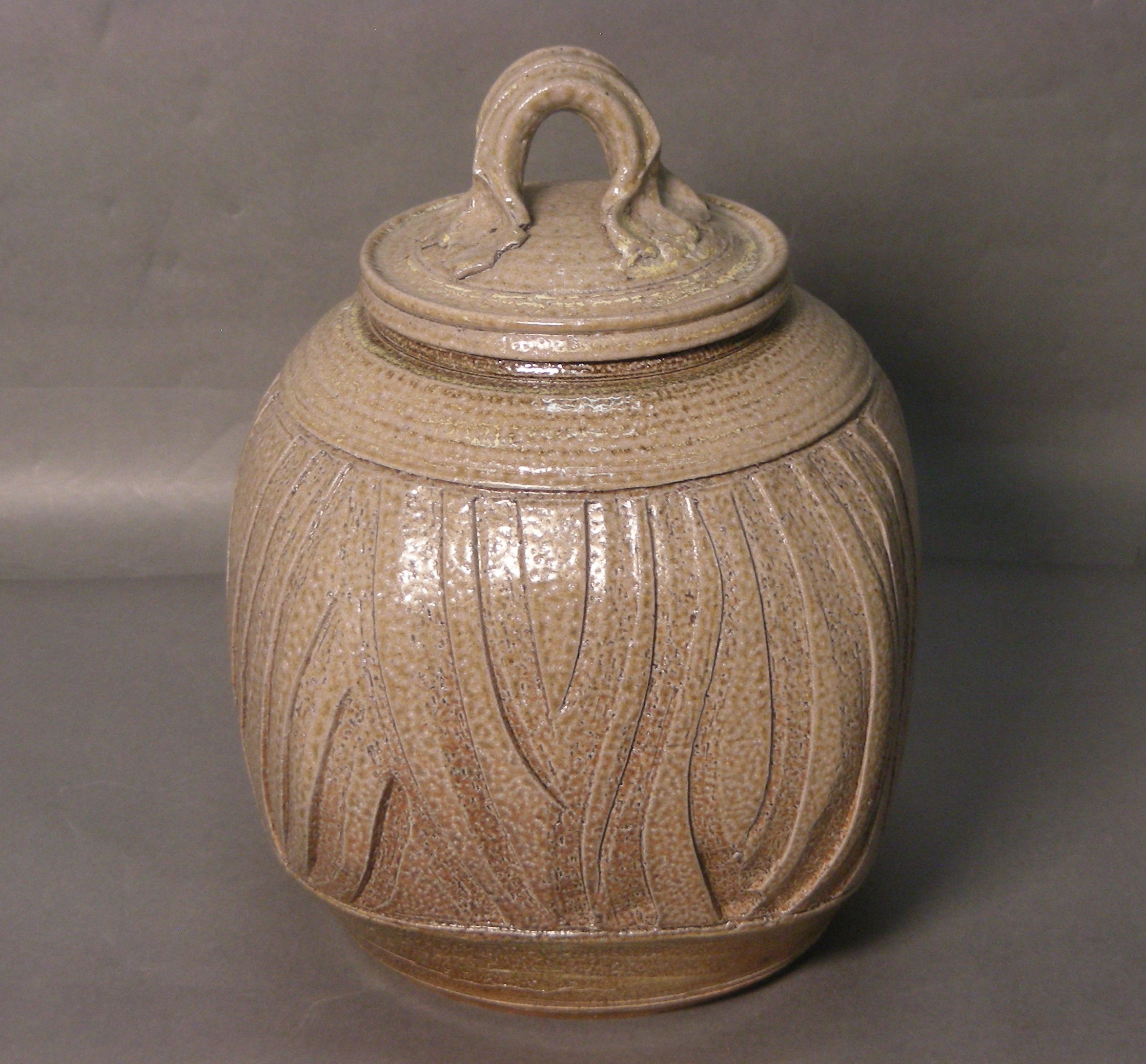
Left: Goblet, 1973, stoneware, 6.75 x 3 x 2.5 inches, 93.39.120 Center: Teapot with Lid, 1973, stoneware, 5.5 x 7 x 2.5 inches, 93.39.190 Right: Covered jar, 1973, stoneware, 10 x 6 x 4 inches, 93. 39.189 Additional images and video below.
In addition to her influential career as a teacher, Bringle has exhibited widely throughout the United States at numerous galleries, museums, and craft shows. For her contributions to the arts, she has been awarded a Life Membership from the Southern Highland Craft Guild, a North Carolina Award for Fine Arts, an Honorary Doctorate of Fine Arts from Memphis College of Art, and has been declared a Fellow of the American Craft Council as well as a North Carolina Living Treasure from the University of North Carolina in Wilmington. Her work can be found in the collections of the Mint Museum of Craft + Design in Charlotte, North Carolina; Burlington Art Centre in Ontario, Canada; the Tennessee State Museum; the Asheville Art Museum in Asheville, North Carolina; the High Museum of Art in Atlanta, Georgia; and in many kitchen cabinets. Bringle also carries the honorary title of Mayor of Penland.
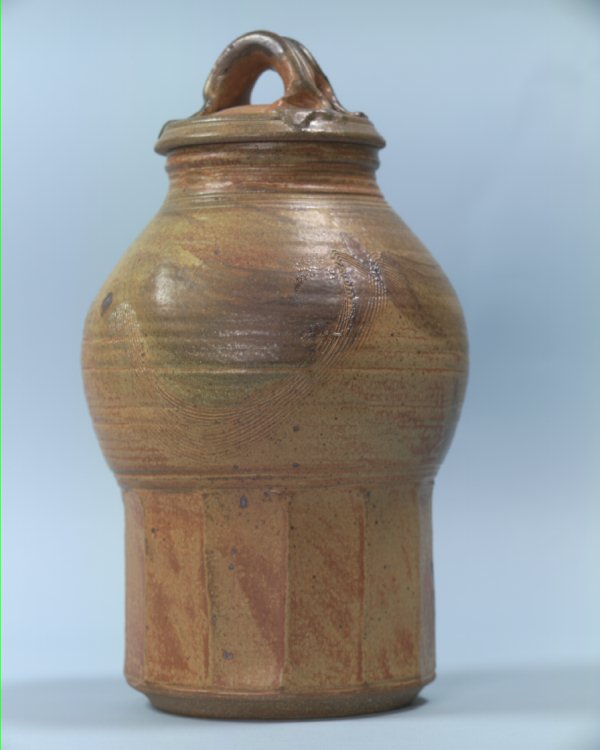
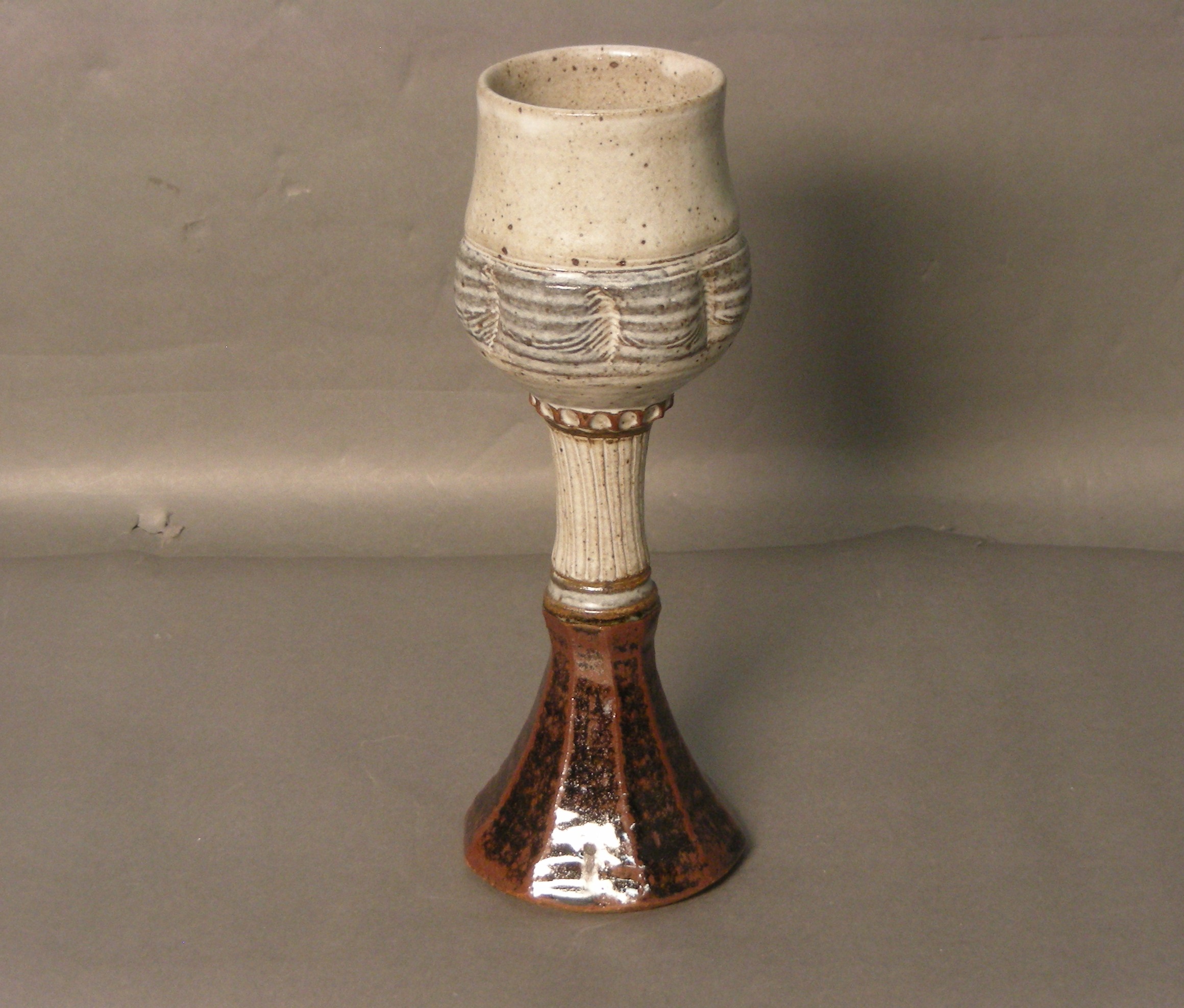
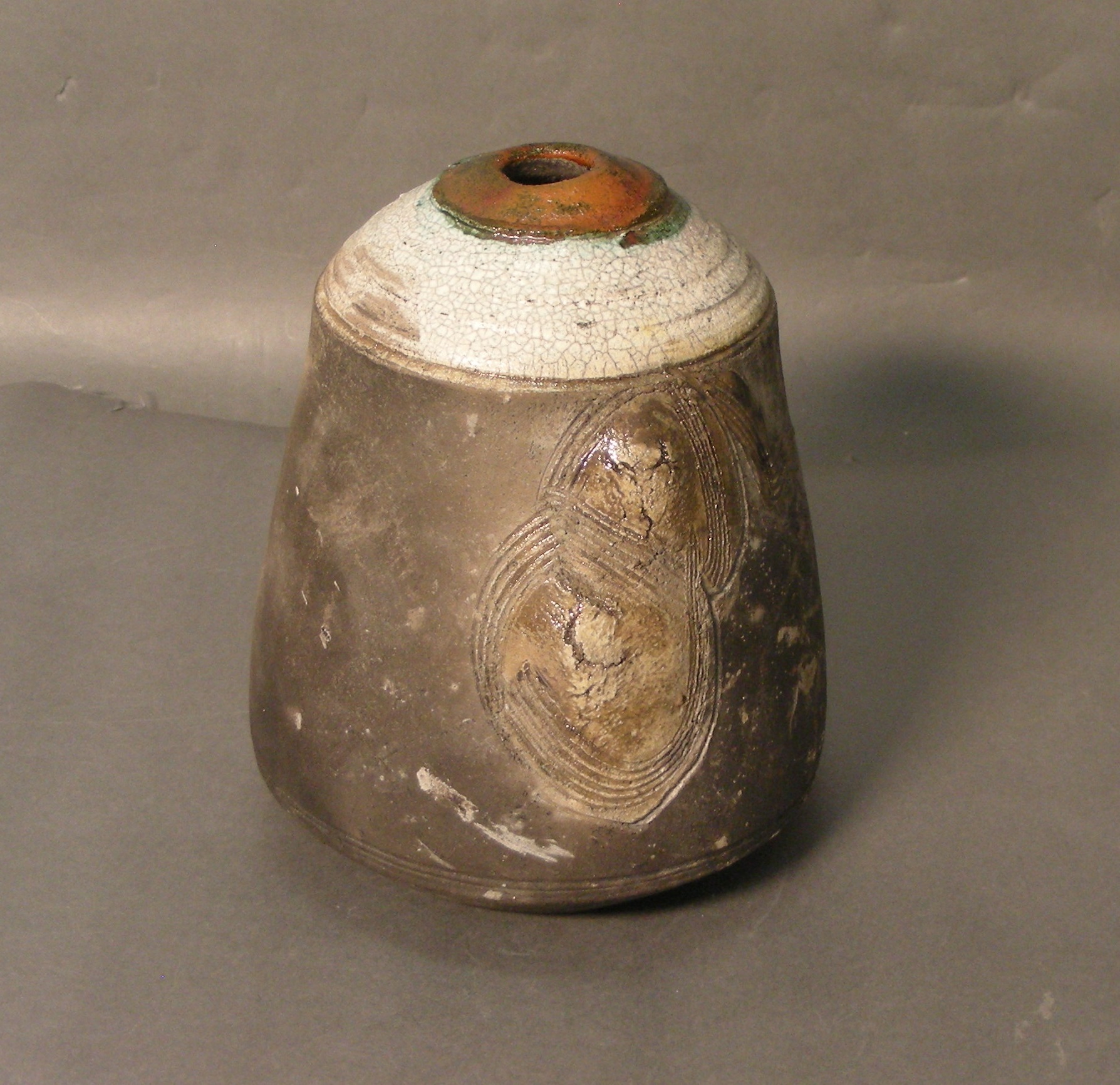
Left: Raku Jar with Lid, 1973, stoneware, 14.75 x 8 x 4.5 inches, 93.39.166 Center: Salt Goblet, 1973, stoneware, 9.75 x 2.75 x 2.75 inches, 93.39.53 Right: Raku Jar, 1973, stoneware, 6.75 x 5.25 x 5.25 inches, 93.39.128 Additional videos below.
Cynthia is considered a production potter. Most of her work is functional, earthy, and reflective of an atmosphere of nature and simplicity while her raku pieces are more sculptural in form. – 1973 International Ceramic Symposium catalogue
Written by Aiden Layer, TN Arts Intern