Craft Master Artist Apprentice Program (MAAP) Virtual Exhibition: October 2 – November 28, 2026
Craft MAAP 2026 October 2 – November 28, 2026
Join the Online Master and Apprentice Artist Talk
Friday, November 6, 11 a.m. CST / 12 p.m. EST
This year’s Craft MAAP masters and apprentices discuss their experiences in the program.
“Art is a lifelong discipline and a continual process of mastery.”
— Robert Gregory, Apprentice
In its 17th year, the Master Artist Apprentice Program (MAAP) continues to strengthen Tennessee’s craft community by bringing together master craft artists and emerging makers in a powerful and personal exchange of knowledge, skill, and creative vision. A cooperative partnership between the Tennessee Arts Commission and Tennessee Craft, MAAP recognizes the enduring importance of the master-apprentice relationship as a vital way to preserve Tennessee’s cultural heritage while inspiring the next generation of craft artists.
Through one-on-one mentorship, professional development, and hands-on learning, MAAP gives emerging artists the opportunity to deepen their technical skills, challenge their creative boundaries, and build a foundation for sustainable careers in craft. At the same time, the program honors the knowledge and expertise of Tennessee’s master artists, ensuring that time-honored techniques and traditions continue to evolve rather than disappear.
This year, three Tennessee master craft artists shared their expertise, experience, and creative aptitude through one-on-one mentorship with three apprentice artists. Each apprentice entered the program with challenging goals and a commitment to growth, using the mentorship experience to push their skills, expand their knowledge, and take meaningful steps forward in their artistic practices. By investing directly in these relationships, MAAP is helping to ensure that craft remains a vital, evolving, and viable part of Tennessee’s cultural landscape.
Luthier: Master Amanda Ewing and Apprentice Bruce Scism
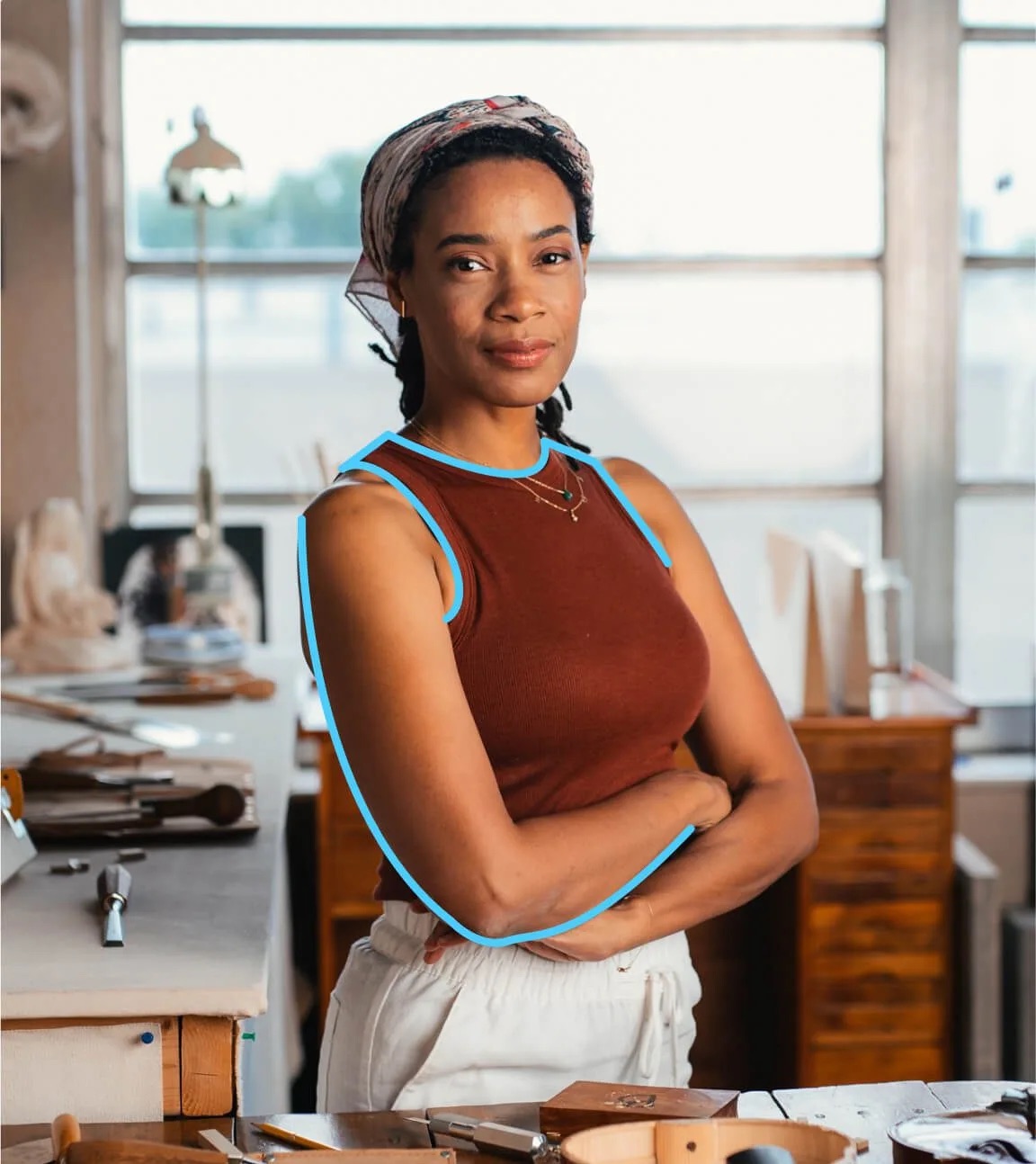
Master, Amanda Ewing (Old Hickory, Davidson County) is an instrument maker, cultural preservationist, and researcher dedicated to uncovering the overlooked stories of Black craftspeople in American history. As one of only a few Black women luthiers practicing today, she embodies a rare and vital lineage, blending technical mastery in instrument making with a passion for cultural storytelling and legacy work. For Ewing, instruments are more than objects of sound; they are vessels of history, memory, and identity. Her craft reflects a deep respect for tradition while also insisting on the visibility of Black excellence in the field of lutherie. With every instrument she creates, Ewing affirms that making is both an act of artistry and an act of preservation.
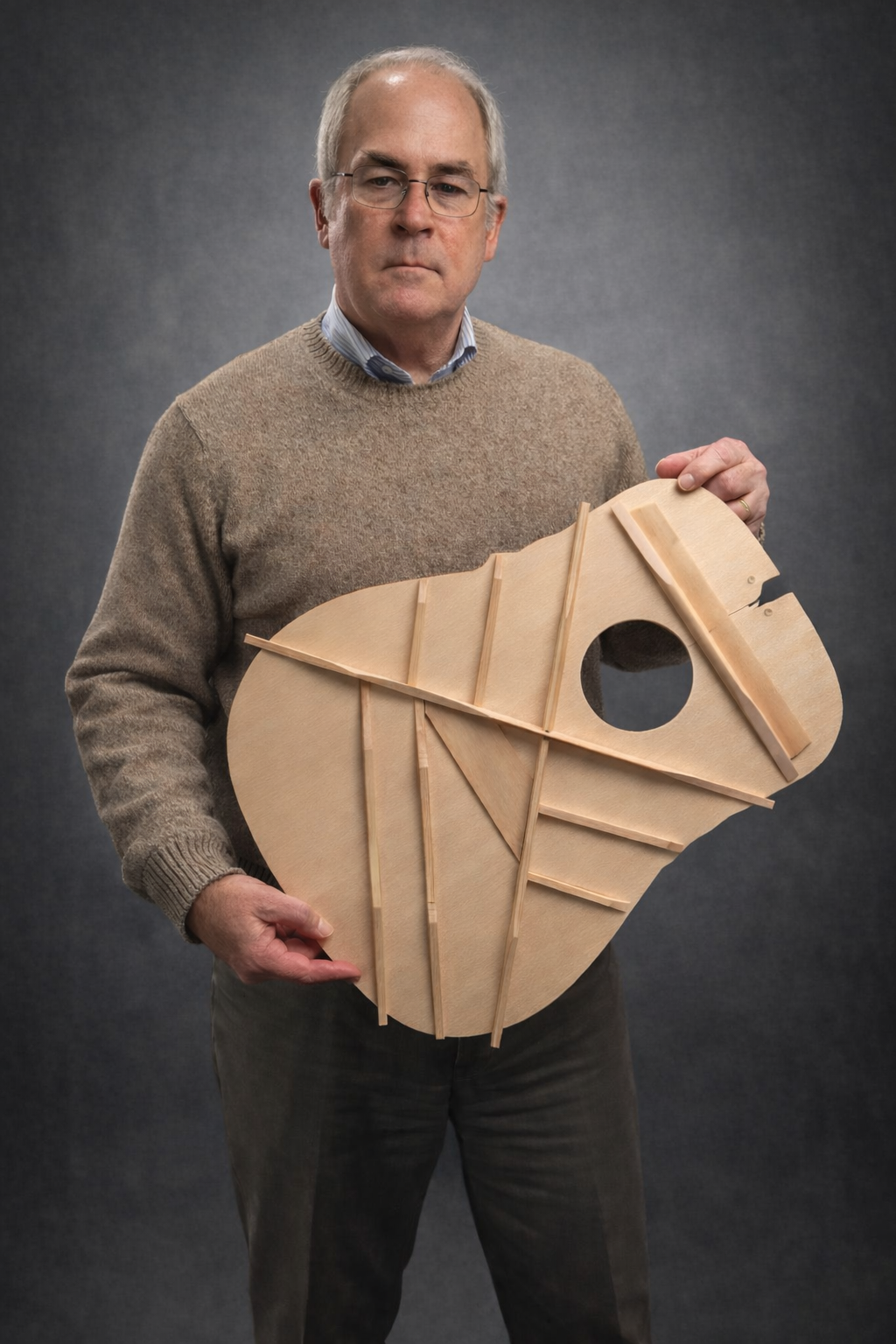
Apprentice, Bruce Scism (Hendersonville, Sumner County) expanded his skills as an acoustic instrument maker by studying the traditional craft of violin making. Under his mentor’s guidance, he constructed the violin form, shaped and bent the ribs, fitted the blocks and linings, and carved and rough-arched the top and back plates. He also learned new techniques, including the use of a bending iron and hide glue, while drawing on his previous experience with guitars. Although the violin was not fully completed during the apprenticeship, Scism made substantial progress and continued working with his mentor after the program concluded. The experience strengthened his woodworking skills and gave him the confidence to build future violins independently.
“For me, building an instrument is a stepwise process,” Scism explained. “The building process emphasizes the importance that exacting standards are met at each step in order for the instrument to come together to form a quality instrument.”
Clay and Mixed Media: Master Lester Jones and Apprentice Michael Jones

Master, Lester Jones (Memphis, Shelby County) is a contemporary mixed-media artist whose work bridges tradition and modernity. Drawing inspiration from African heritage, storytelling, and spiritual symbolism, his art often explores identity, resilience, and transformation. Through sculpture, painting, and multimedia expressions, Jones creates pieces that invite reflection and dialogue about culture, history, and the human spirit.
“My art is a journey between the past and the present. I blend textures, symbols, and forms to honor ancestral wisdom while creating new pathways of expression. Each work is a dialogue, a conversation between heritage and imagination, between what was and what can be,” says Jones.

Apprentice, Michael Jones (Memphis, Shelby County) used this opportunity to strengthen his technical skills, develop a more cohesive body of work, and gain a better understanding of the professional aspects of maintaining an artistic practice. Working closely with his mentor, he learned through observation, discussion, hands-on practice, and constructive critique.
“I leave this apprenticeship with greater confidence in my abilities and a stronger understanding of my artistic direction. Professionally, I have improved my technical skills, expanded my knowledge of the field, and developed habits that will support continued growth. Most importantly, I have gained mentorship, insight, and experience that will continue to influence my work and artistic journey for years to come,” Jones explains.
Metal: Master Jason Sheridan Brown and Apprentice Robert Gregory
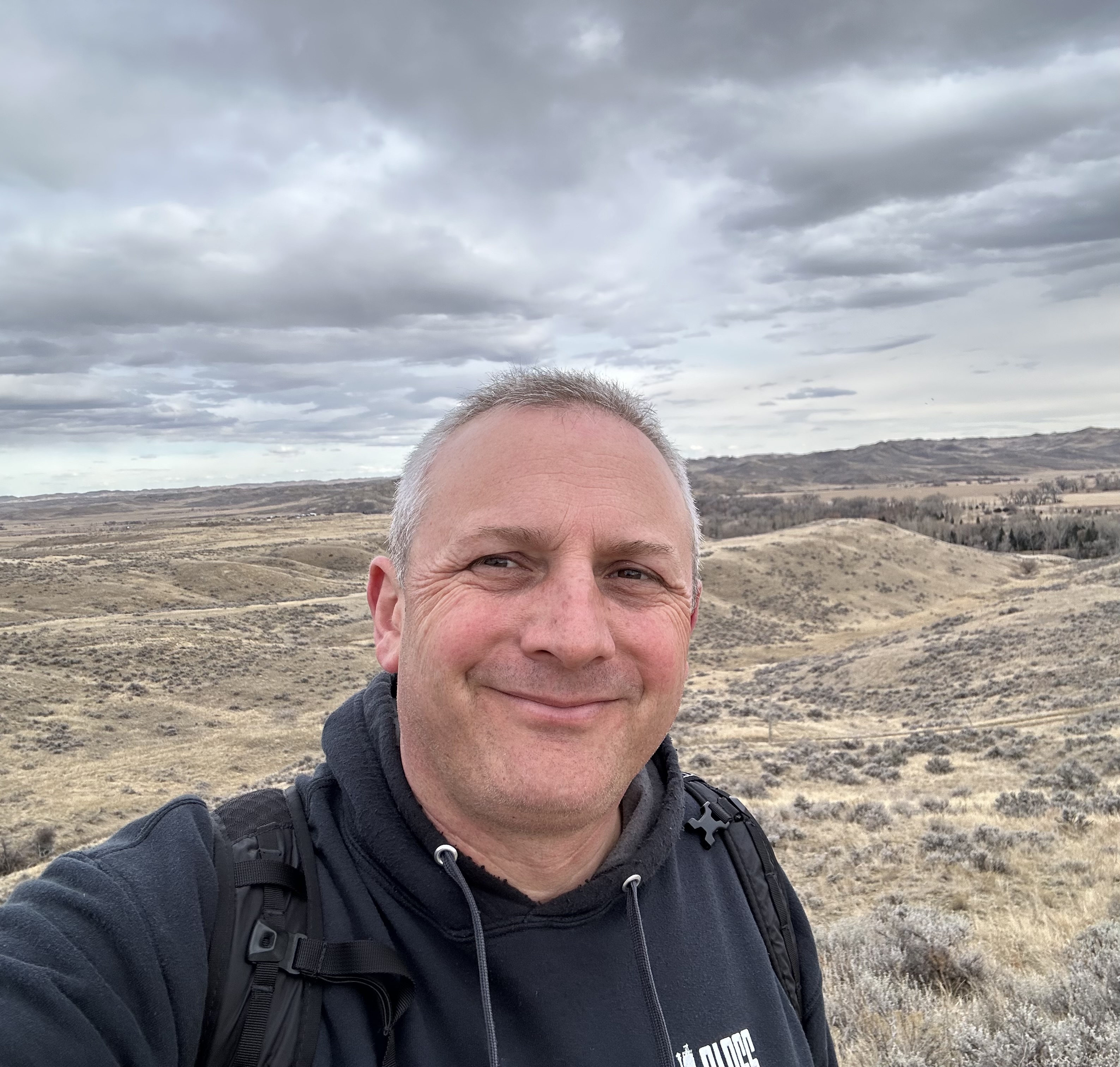
Master, Jason Sheridan Brown (Knoxville, Knox County) received his M.F.A. from the Rhode Island School of Design in 1999 and has been teaching Sculpture at the University of Tennessee since 2001. Brown’s artwork has been exhibited nationally, including solo and group exhibitions in 22 states, and internationally in Canada, Germany, and New Zealand. In 2018, Brown completed a residency at the Banff Centre for Arts & Creativity in Alberta, Canada. In 2023, he participated in artist residencies and cast iron sculpture symposiums at the Western North Carolina Sculpture Park and at Atelier Haus Hilmsen in Germany.
His public art projects have included temporary large-scale outdoor sculpture installations at the Walker Art Center in Minneapolis, Minnesota; North Carolina Arboretum in Asheville, North Carolina; Josephine Sculpture Park in Frankfort, Kentucky; and Franconia Sculpture Park in Shafer, Minnesota. Brown is involved in a number of collaborative public art projects, and his work engages other disciplines including architecture, ecology, and landscape design.
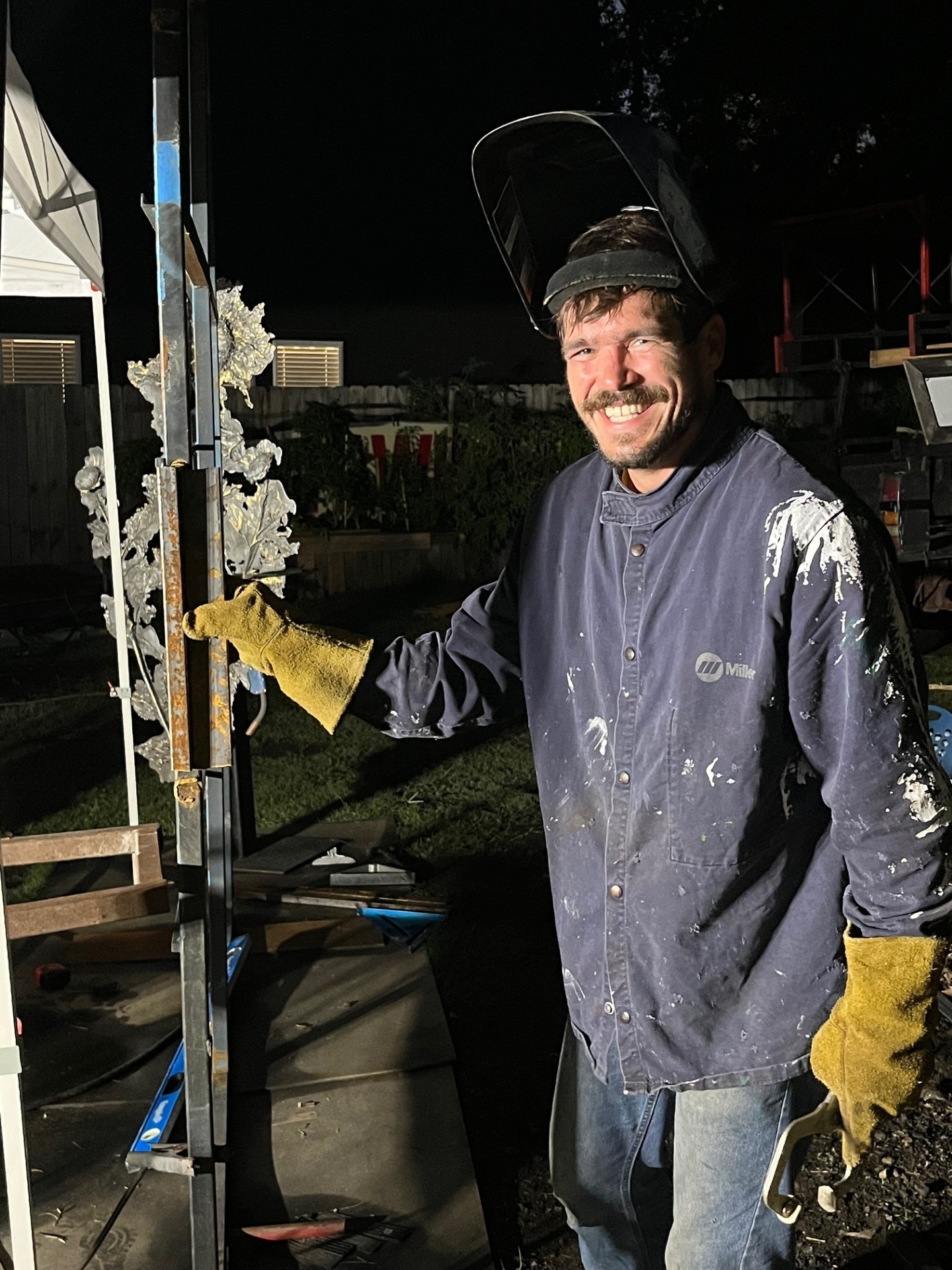
Apprentice, Robert Gregory (Nashville, Davidson County) plans to continue developing and strengthening his artistic practice in a thoughtful, constructive, and intentional manner. This experience reinforced the importance of building connections, expanding his creative community, and seeking meaningful sources of support. The mentorship also served as an important source of inspiration, helping Gregory navigate the challenges and periods of uncertainty that are inherent to the creative process. Above all, he valued the sense of accountability the program has brought to his practice, particularly in encouraging continued progress in the production, documentation, and completion of his artwork.
“Art is a lifelong discipline and a continual process of mastery. This experience has encouraged me to embrace a growth-oriented perspective and to recognize the importance of using my creative abilities with purpose. It has reinforced my belief that many of the ideas and goals I envision can be realized through dedication, sustained effort, and persistence,” Gregory reflected.
Ready to take the next step in your craft practice?
Applications for the Master Artist Apprentice Program for FY27 are open. The deadline is November 7, 2026.