Peter Sohngen
(b. 1963) born in Hamilton, Ohio, lives in Memphis
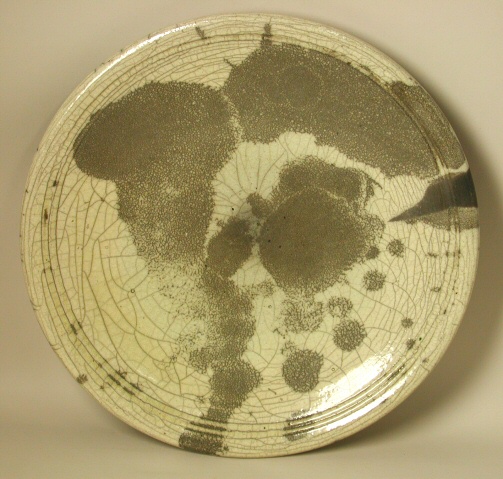
Platter, 1973
raku, 1.75 x 13 x 13 inches, 93.39.11
Peter Sohngen was working towards a PhD in English literature at Claremont Graduate University when he became fascinated with the ceramic work that the art students were doing at the time. Later, he went to Istanbul, Turkey, as an English teacher, but decided while he was there that he needed a change and decided to do something else. He met a man who made and sold flower pots at the local bazaar, and learned how to use a potter’s wheel and make simple forms. From there, Sohngen traveled to a German salt-firing district, where he got a job as a potter, which he enjoyed very much. Deciding to switch careers, he went back to school at Alfred University in New York to get his M.F.A. in clay. After graduating, he took up a job as a professor at the Memphis Academy of Art in 1969.
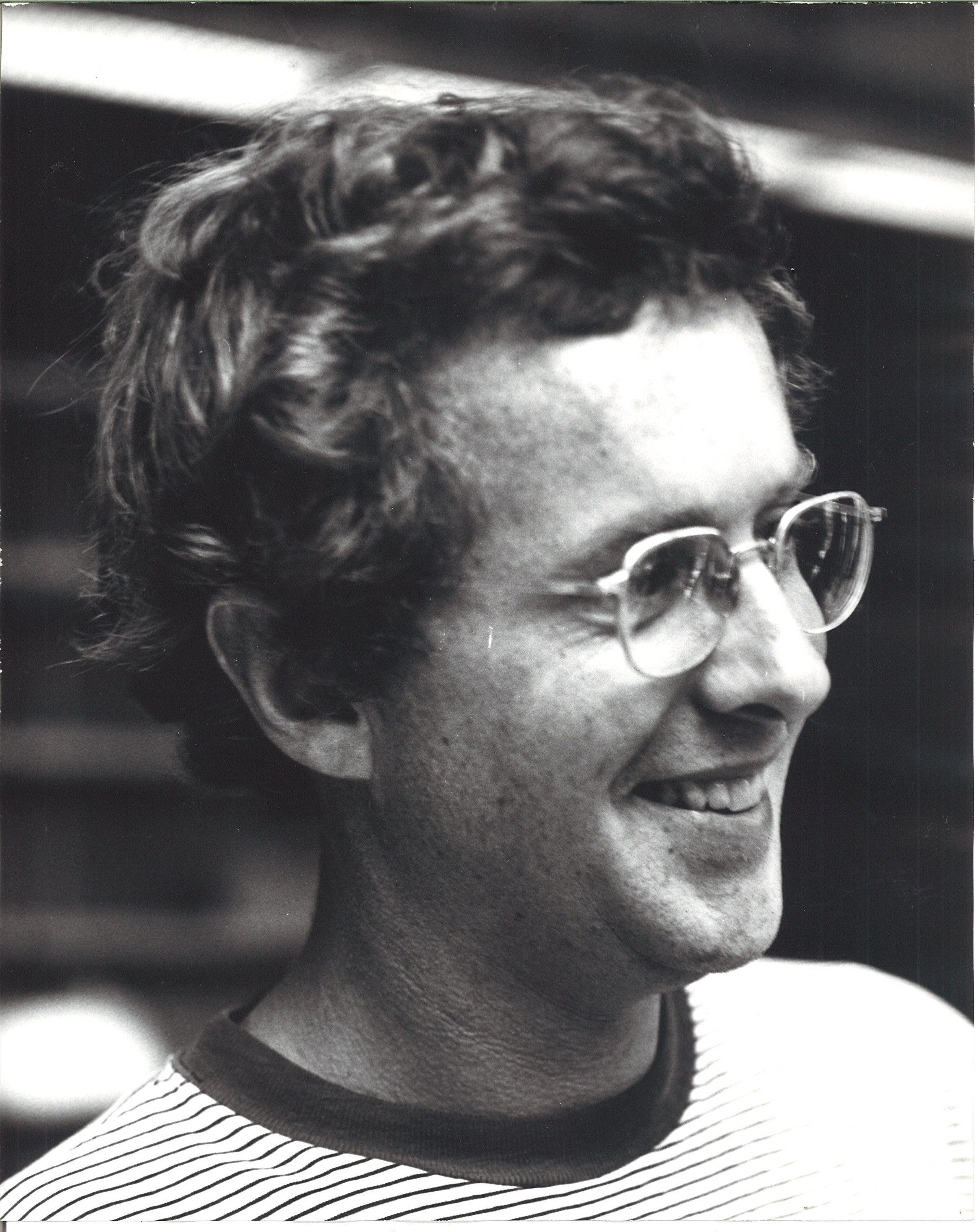
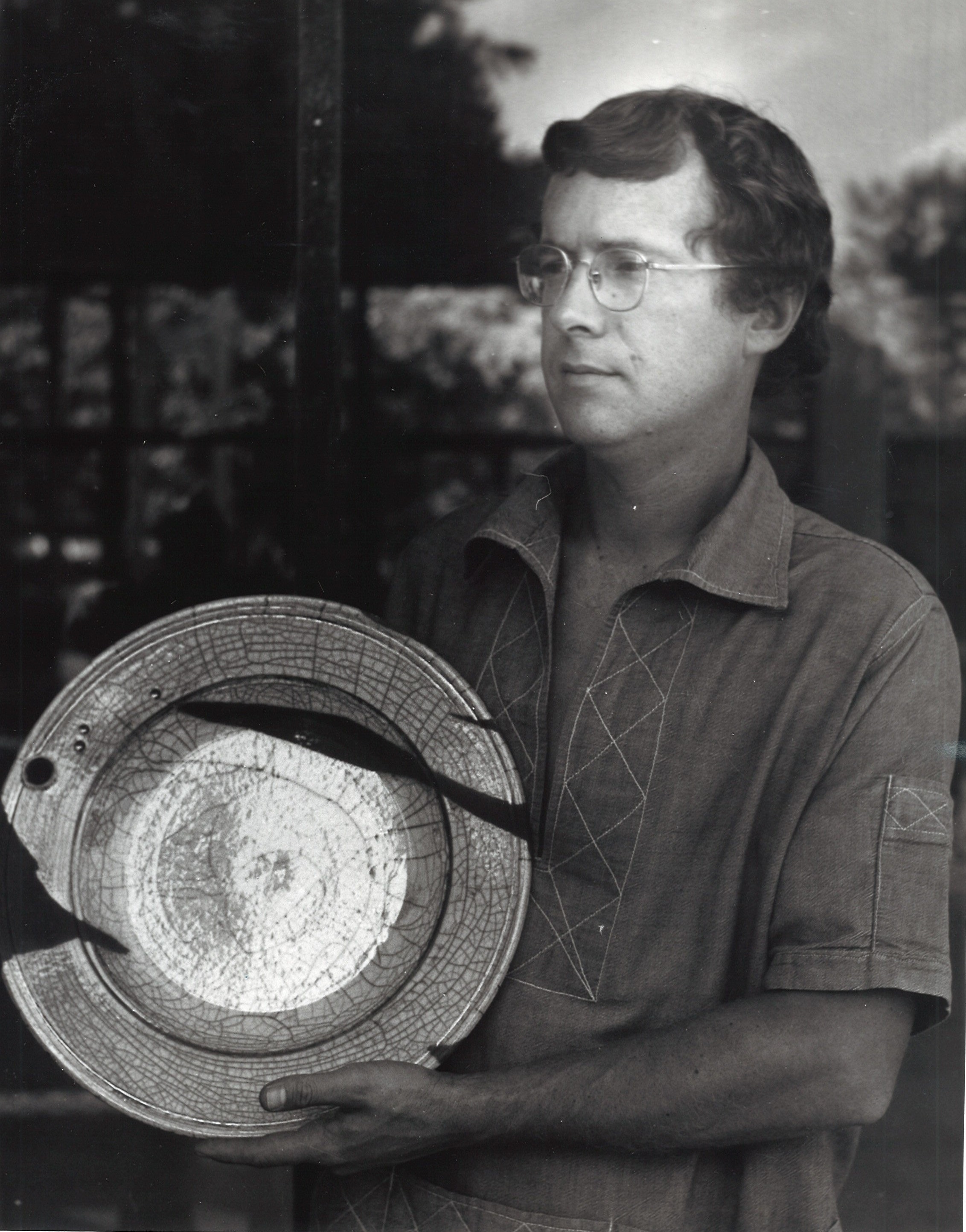
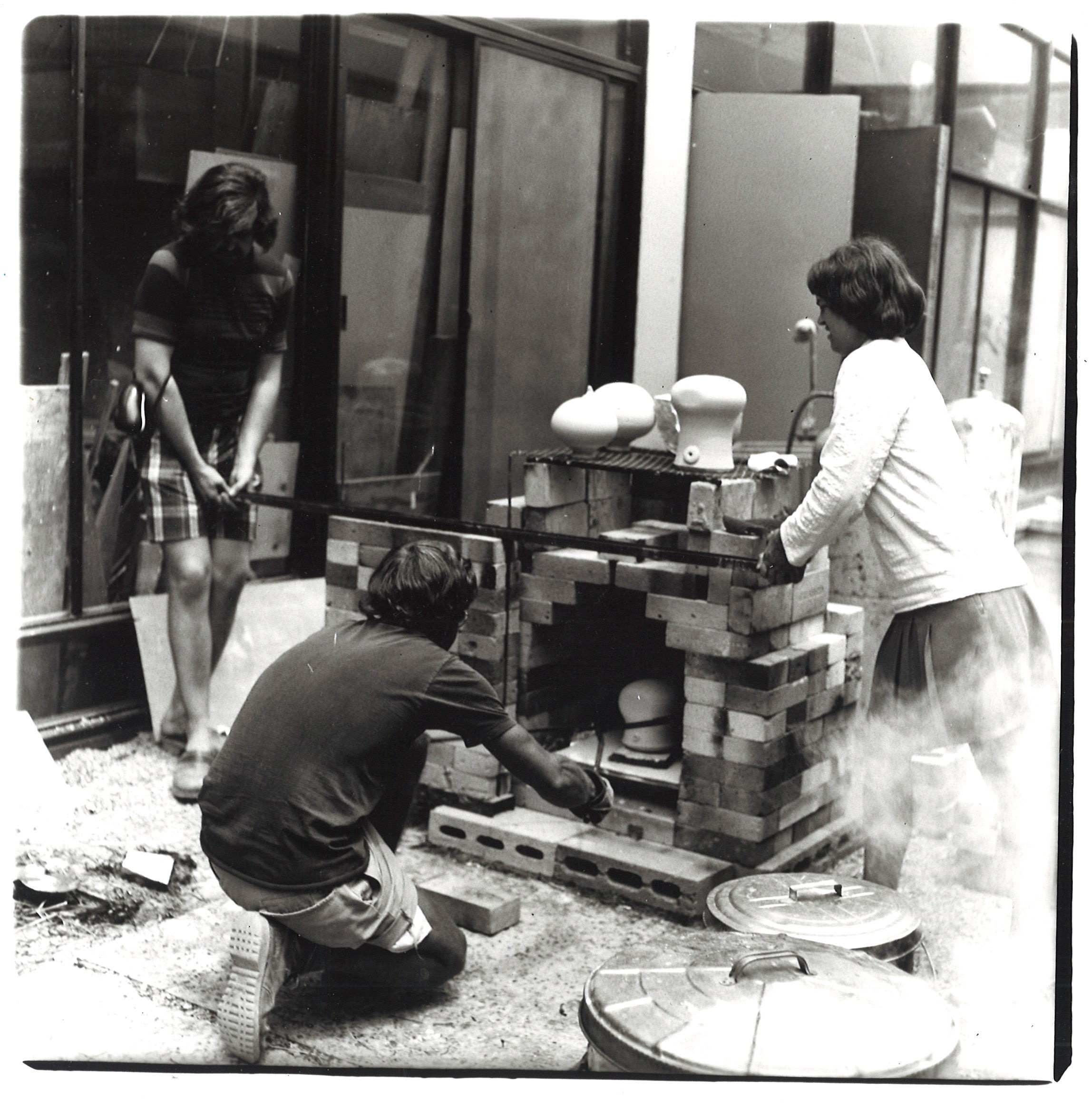
Left and Center: Sohngen Right: A kiln designed by Peter Sohngen. A corbeled arch raku kiln is used by Peter Sohngen, with the help of Kurt and Gerda Spurey. Tie rods and angle iron compress the door. (Ceramics Monthly)
In the spring of 1971, under the auspices of the International Academy of Ceramics, the Tennessee Arts Commission pledged its support for the promotion and establishment of the U.S. International Ceramic Symposiums. The Symposium’s mission to help develop a worldwide network of support for ceramic art was achieved by bringing together top ceramic artists from around the world for a month-long sharing of ideas and creation of innovative ceramics.
Peter Sohngen represented the United States at the First U.S. International Ceramic Symposium, which consisted of twenty-five artists from thirteen different countries, and was hosted in the summer of 1973 at the Memphis Academy of Art. A professor at the Memphis Academy of Art, he also served on the Symposium preparatory committee. While participating in the Symposium, Sohngen threw a number of large closed forms and platters, which were glazed with white crackle and raku fired. To increase the amount of crackle, he poured water over areas of his work before smoking them. The main benefits of the Symposium to Sohngen were the opportunity to meet and learn from other amazing artists, and the ability to be able to pass that knowledge onto his students, through showing photographic slides made during the Symposium as well as his own experience.
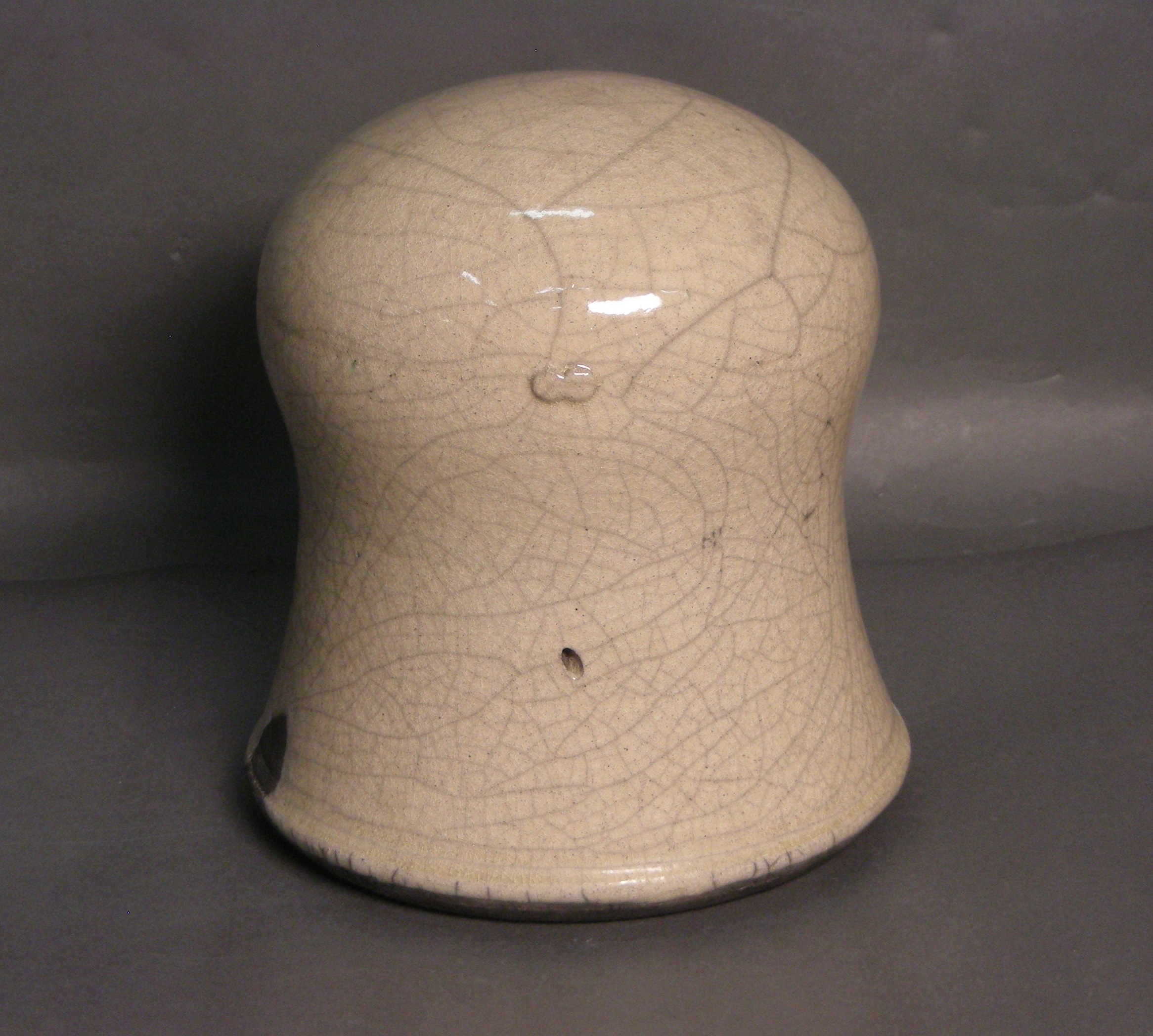
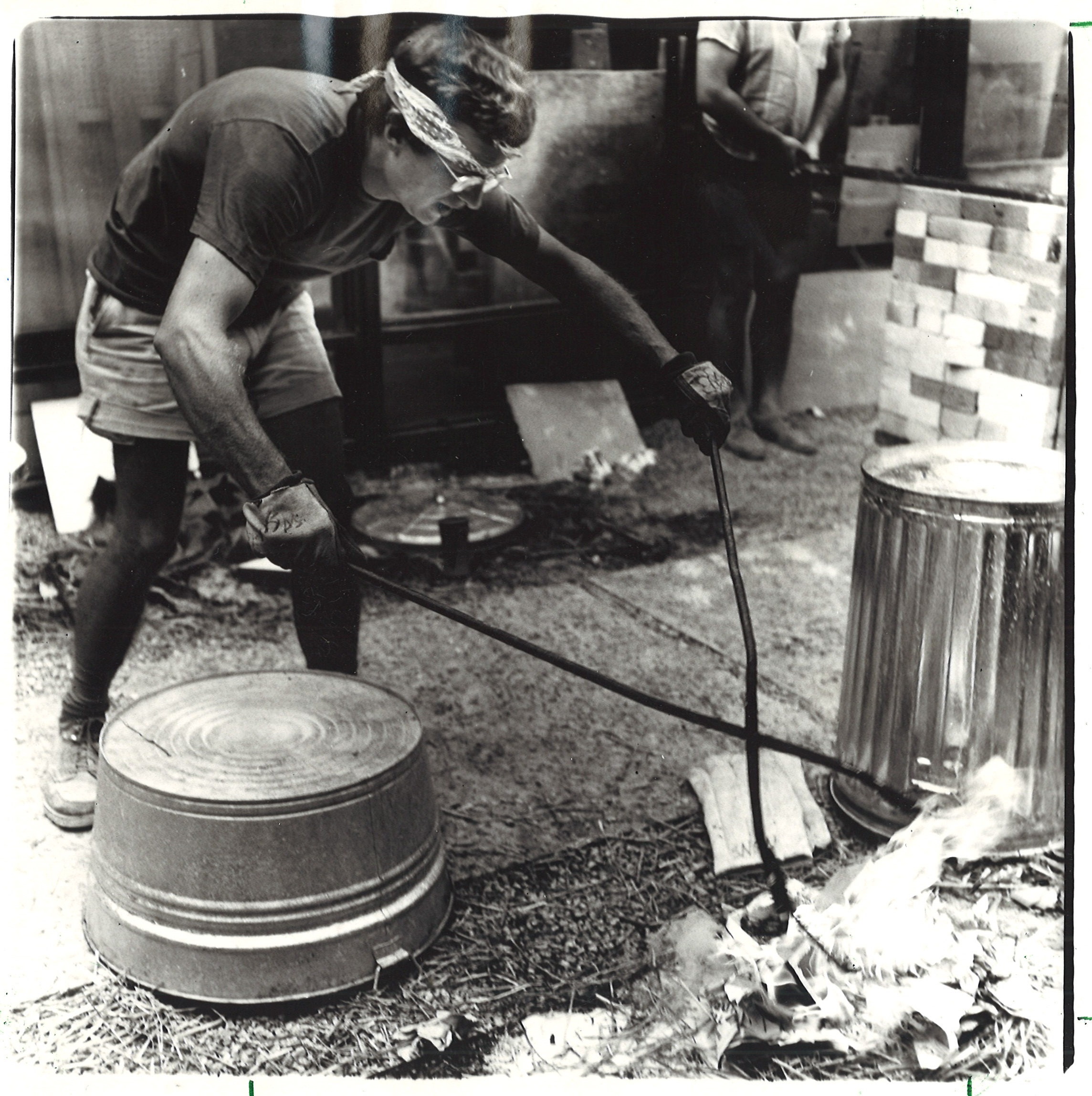
Left: Raku Chef’s Hat, 1973, clay, 7.5 x 7 x 7 inches, 93.39.119 Right: Peter Sohngen removes a large plate from reduction in newspaper after the trash can has been pulled away. (Ceramics monthly)
The dry kiln used at the Symposium for raku firing was one previously designed and built by Sohngen especially for accommodating larger raku pieces. Liking this kiln so much, fellow Symposium artist Denise Frankinet later invited Sohngen to Belgium to build one of his raku kilns there and teach the construction process.
Since the Symposium, Sohngen taught at the Memphis Academy of Art for over 30 years, before retiring in order to spend more time making pottery and exhibiting out of his studio. He enjoys making pottery for people to use, and gets satisfaction from having someone use his work in their everyday life.
Peter works almost completely in functional pieces, with the exception of raku. Because of the lead glazes he prefers for rakus, all of these works are of a decorative nature. “I am a pot maker, a teapot and casserole man, and I like what I’m doing.”– 1973 International Ceramic Symposium catalogue
Written by Aiden Layer, TN Arts Intern